

Introduction
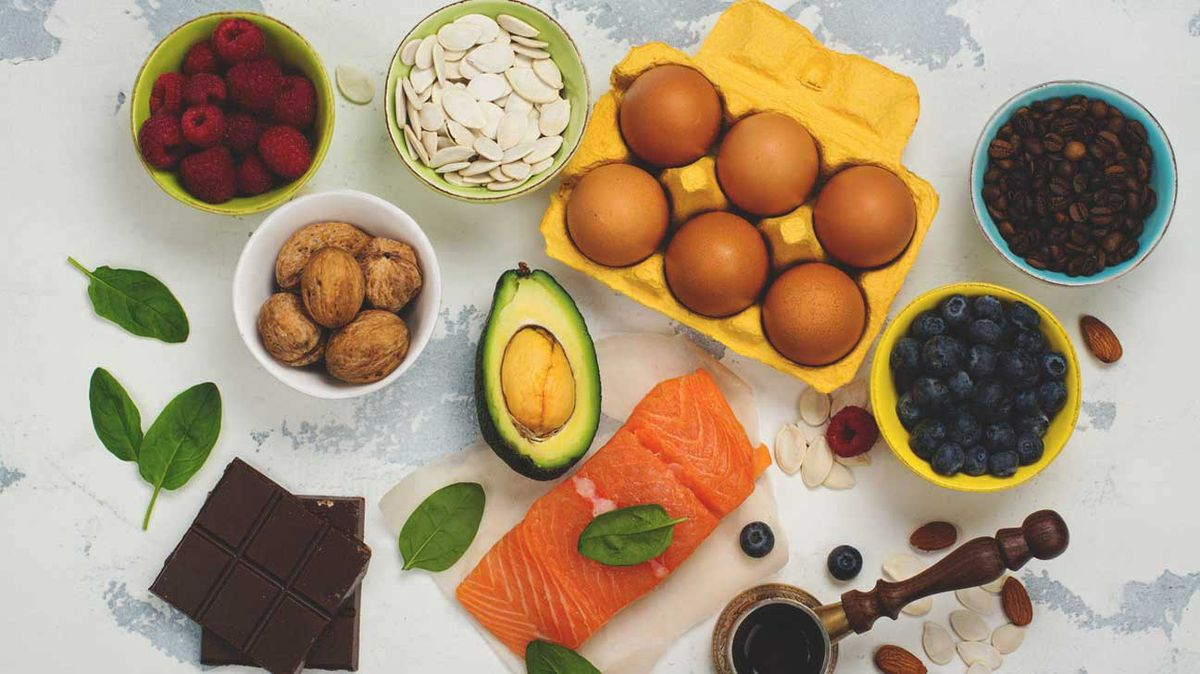
Healthy eating habits play a very important role in improving overall health and quality of life. When you follow healthy eating habits regularly, your body gets the right nutrients, energy, and strength it needs to function properly. Many people think healthy eating is complicated, but in reality, it is about making small, smart choices every day. These choices can include eating more fruits and vegetables, drinking enough water, and reducing processed food intake.
In today’s fast and busy lifestyle, people often ignore healthy eating habits and rely on fast food or sugary snacks. This may give temporary satisfaction but can lead to long-term health problems such as obesity, diabetes, and heart disease. That is why understanding and practicing healthy eating habits is important for everyone, regardless of age.
This article will guide you step by step on how to build strong healthy eating habits in a simple and practical way. You will also learn about the benefits, common mistakes, and expert tips that can help you stay consistent. Whether you are a beginner or someone trying to improve your lifestyle, this guide will help you make better food choices and build a healthier future naturally and effectively.
What is Healthy Eating Habits?
Healthy eating habits refer to the daily food choices and eating patterns that support good health, energy, and overall well-being. It is not about strict dieting or avoiding all your favorite foods. Instead, it is about balance, moderation, and choosing nutritious foods most of the time.
Healthy eating habits include eating a variety of foods such as fruits, vegetables, whole grains, lean proteins, and healthy fats. It also means avoiding excessive sugar, salt, and processed foods. Drinking enough water and maintaining proper portion control are also important parts of healthy eating habits.
These habits are not temporary changes. They are long-term lifestyle improvements that help your body stay strong and active. When you develop healthy eating habits, your digestive system works better, your energy levels improve, and your immune system becomes stronger.
In simple words, healthy eating habits are about giving your body the right fuel so it can perform at its best every day.
Why is Healthy Eating Habits Important?
Healthy eating habits are important because they directly affect your physical and mental health. The food you eat becomes the energy your body uses for daily activities. If you eat unhealthy food regularly, your body may feel weak, tired, and more likely to develop diseases.
One of the main reasons healthy eating habits are important is disease prevention. A balanced diet helps reduce the risk of serious health issues such as heart disease, diabetes, high blood pressure, and obesity. It also supports better brain function, helping you stay focused and productive throughout the day.
Another reason is emotional well-being. Studies show that healthy eating habits can improve mood and reduce stress. Nutrient-rich foods help balance hormones and support mental health.
Healthy eating habits also play a key role in maintaining a healthy weight. When you eat the right foods in proper portions, your body naturally manages weight without extreme dieting.
Overall, healthy eating habits are essential because they help you live a longer, stronger, and more active life with fewer health problems.
Detailed Step-by-Step Guide
Step 1: Start with Balanced Meals
A balanced meal is the foundation of healthy eating habits. Include protein, carbohydrates, healthy fats, vitamins, and minerals in every meal. For example, combine rice or whole grains with vegetables and lean meat or beans.
Step 2: Eat More Fruits and Vegetables
Fruits and vegetables are rich in fiber, vitamins, and antioxidants. Try to include them in every meal. They support digestion and improve immunity, making them a key part of healthy eating habits.
Step 3: Drink Enough Water
Water is essential for digestion, energy, and overall body function. Aim to drink at least 6–8 glasses daily. Replacing sugary drinks with water is a simple but powerful healthy eating habit.
Step 4: Control Portion Sizes
Eating too much, even healthy food, can lead to weight gain. Use smaller plates and eat slowly to understand your body’s hunger signals. Portion control is a core part of healthy eating habits.
Step 5: Reduce Processed Foods
Processed foods often contain high sugar, salt, and unhealthy fats. Try to limit snacks like chips, soda, and fast food. Replacing them with natural foods improves your healthy eating habits significantly.
Step 6: Plan Your Meals

Meal planning helps you avoid unhealthy choices. Prepare a weekly food plan that includes nutritious meals and snacks. This makes healthy eating habits easier to follow consistently.
Benefits of Healthy Eating Habits
- Improves overall physical health and strength
- Boosts energy levels throughout the day
- Supports better digestion and gut health
- Helps maintain a healthy weight naturally
- Reduces risk of chronic diseases
- Improves brain function and memory
- Strengthens the immune system
- Enhances mood and reduces stress
Disadvantages / Risks
- Requires discipline and consistency
- May feel difficult at the beginning
- Can be time-consuming to plan meals
- Healthy foods may seem expensive for some people
- Social situations may challenge eating routines
Common Mistakes to Avoid
Many people try to adopt healthy eating habits but make simple mistakes that reduce their progress. One common mistake is skipping meals, which can lead to overeating later. Another mistake is relying too much on “diet” products that are not always healthy.
People also often ignore portion sizes and think eating healthy food in large amounts has no effect. This is not true. Even healthy food must be eaten in balance.
Another mistake is not reading food labels. Many packaged foods contain hidden sugar and fats that can affect your healthy eating habits.
Finally, inconsistency is a major issue. Healthy eating habits must be followed daily, not occasionally, to see real results.
FAQs
1. What are healthy eating habits in simple words?
Healthy eating habits mean choosing nutritious foods regularly and avoiding unhealthy processed foods to improve overall health and energy.
2. How can I start healthy eating habits?
Start by adding more fruits, vegetables, drinking water, and reducing junk food gradually instead of changing everything at once.
3. Do healthy eating habits help in weight loss?
Yes, healthy eating habits help control calories and improve metabolism, which supports natural and sustainable weight loss.
4. Can I still eat my favorite foods?
Yes, you can enjoy your favorite foods occasionally. Healthy eating habits are about balance, not strict restriction.
5. How long does it take to build healthy eating habits?
It usually takes a few weeks to months to build strong healthy eating habits depending on consistency and lifestyle.
6. Are healthy eating habits expensive?
Not necessarily. Basic healthy foods like rice, vegetables, and fruits can be affordable if planned properly.
Expert Tips & Bonus Points
Experts recommend starting small instead of making big changes suddenly. Focus on one habit at a time, such as drinking more water or eating more vegetables. This makes healthy eating habits easier to maintain.
Another useful tip is to avoid emotional eating. Try to eat only when you are hungry, not when you are stressed or bored.
Cooking at home is also a powerful way to improve healthy eating habits because you control ingredients and portions.
Finally, consistency is more important than perfection. Even small improvements in your daily diet can make a big difference over time.
Conclusion
Healthy eating habits are one of the most powerful tools for improving your life naturally. They do not require expensive products or complicated rules. Instead, they are based on simple daily choices that anyone can follow.
When you practice healthy eating habits consistently, your body becomes stronger, your mind becomes clearer, and your energy levels improve. You also reduce the risk of many long-term diseases and improve your overall quality of life.
The key is to start small and stay consistent. You do not need to change everything in one day. Even small steps like drinking more water, eating more vegetables, or reducing junk food can create a big difference over time.
Remehttps://en.wikipedia.org/wiki/Remembermber, healthy eating habits are not a short-term diet. They are a lifelong commitment to your health and well-being. By making better food choices today, you are building a stronger and healthier future for yourself.
