

Introduction
Anxiety is something that almost everyone experiences at some point in life. It can appear as constant worrying, nervous feelings, or even physical symptoms like a racing heart. In today’s busy world, stress has become common, making anxiety relief tips more important than ever. The good news is that anxiety does not have to control your life. With the right habits and simple daily changes, you can feel calmer and more balanced.
These anxiety relief tips are designed to be practical and easy to follow. You do not need special tools or expensive treatments to start improving your mental health. Small steps like breathing exercises, better sleep, and mindful thinking can make a big difference over time. Many people ignore their stress until it becomes overwhelming, but early action can prevent it from getting worse.
In this guide, you will learn simple methods to reduce anxiety, understand why it happens, and discover ways to handle it better. Whether your anxiety is mild or more frequent, these strategies can help you regain control and improve your overall well-being in a natural and healthy way.
What is Anxiety Relief Tips?
Anxiety relief tips refer to practical methods, habits, and techniques that help reduce feelings of stress, fear, and worry. These tips are not medical treatments but simple daily practices that improve mental calmness and emotional balance.
Anxiety is a natural response of the body to stress or danger. However, when it becomes too frequent or intense, it can affect daily life. That is where anxiety relief tips become useful. They help the mind relax, improve focus, and reduce negative thoughts.
Common anxiety relief tips include breathing exercises, physical activity, meditation, journaling, and maintaining a healthy lifestyle. These methods are easy to use and can be practiced at home, work, or anywhere you feel stressed.
The goal of anxiety relief tips is not to eliminate anxiety completely but to manage it in a healthy way. By using these techniques regularly, you can train your mind to stay calm even in stressful situations.
Why is Anxiety Relief Tips Important?
Understanding the importance of anxiety relief tips is essential for maintaining good mental health. Anxiety, when ignored, can affect your sleep, relationships, productivity, and even physical health.
One major reason these tips are important is that they help prevent stress from building up. When stress is managed early, it is easier to control emotions and avoid burnout. This leads to a healthier and more balanced life.
Another reason is that anxiety relief tips improve focus and decision-making. A calm mind can think clearly, solve problems better, and handle pressure more effectively. This is especially helpful in work or studies.
They also improve physical health. High anxiety levels can cause headaches, fatigue, and muscle tension. By practicing relaxation techniques, the body becomes more relaxed and energized.
Most importantly, these tips help build emotional strength. Over time, you become more confident in handling difficult situations without feeling overwhelmed. This creates long-term mental stability and peace.
Detailed Step-by-Step Guide
1. Practice Deep Breathing Exercises
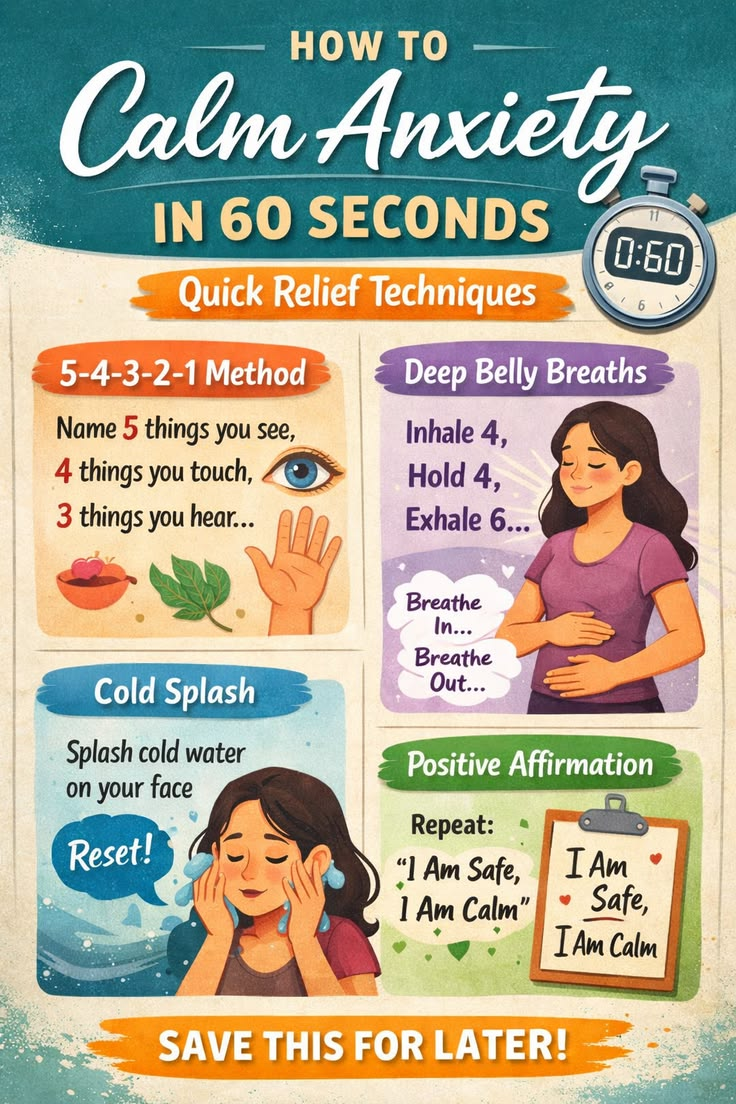
One of the most effective anxiety relief tips is deep breathing. It helps slow down your heart rate and relax your nervous system. When you feel anxious, try inhaling slowly through your nose, holding for a few seconds, and exhaling gently.
Repeat this for a few minutes until you feel calmer. This simple technique can be used anywhere, even in stressful situations.
2. Stay Physically Active
Exercise is a powerful way to reduce anxiety. Physical activity releases chemicals in the brain that improve mood and reduce stress.
You do not need intense workouts. Simple activities like walking, jogging, stretching, or yoga can be very effective. Aim for at least 20–30 minutes of movement daily.
3. Practice Mindfulness and Meditation
Mindfulness means staying present in the moment instead of worrying about the past or future. Meditation helps train the mind to stay focused and calm.
Spend a few minutes daily sitting quietly, focusing on your breath or surroundings. This practice can greatly improve emotional control over time.
4. Improve Sleep Quality
Poor sleep can increase anxiety levels. Try to maintain a regular sleep schedule and avoid screens before bedtime.
Create a relaxing bedtime routine such as reading or listening to calm music. A well-rested mind is better at handling stress.
5. Write Down Your Thoughts
Journaling is a helpful way to release negative thoughts. Writing down what you feel helps you understand your emotions better.
It also prevents overthinking by organizing your thoughts clearly. This is one of the simplest anxiety relief tips you can start today.
6. Limit Caffeine and Sugar Intake
Too much caffeine or sugar can increase nervousness and restlessness. Try reducing coffee, energy drinks, and sugary snacks.
Instead, choose healthier options like water, fruits, and herbal tea to maintain stable energy levels.
7. Connect with Supportive People
Talking to friends or family can reduce feelings of isolation. Sharing your thoughts helps you feel understood and supported.
Social connection plays a big role in emotional well-being and stress reduction.
Benefits of Anxiety Relief Tips
- Reduces daily stress and tension
- Improves focus and concentration
- Enhances emotional stability
- Promotes better sleep quality
- Supports physical health and energy levels
- Builds confidence in handling challenges
- Improves relationships through better communication
- Helps prevent long-term mental exhaustion
Disadvantages / Risks
- Results may take time and patience
- Requires consistency to be effective
- Some techniques may not work for everyone
- Over-reliance on self-help without professional support in severe cases can be risky
- Lifestyle changes may feel difficult at the beginning
Common Mistakes to Avoid
Many people try anxiety relief tips but do not get results due to common mistakes. One mistake is expecting quick results. Anxiety management takes time and practice.
Another mistake is ignoring consistency. Practicing techniques only when anxiety appears is less effective than daily practice.
People also often rely only on one method. It is better to combine different strategies like breathing, exercise, and mindfulness.
Avoid negative self-talk as it increases stress instead of reducing it. Lastly, do not ignore severe symptoms. Professional help may be needed if anxiety becomes overwhelming.
FAQs
1. What are the best anxiety relief tips for beginners?
The best tips include deep breathing, walking, journaling, and improving sleep habits. These are simple and easy to start with daily.
2. How quickly do anxiety relief tips work?
Some techniques like breathing exercises work instantly, while others like lifestyle changes take a few weeks to show full results.
3. Can exercise really reduce anxiety?
Yes, exercise releases endorphins which improve mood and reduce stress naturally. Even light activity can help.
4. Is meditation necessary for anxiety control?
Meditation is not required but highly beneficial. It helps train your mind to stay calm and focused.
5. Can anxiety be completely cured?
Anxiety may not disappear completely, but it can be managed effectively with consistent anxiety relief tips and healthy habits.
6. What should I avoid if I have anxiety?
Avoid excessive caffeine, lack of sleep, negative thinking, and overuse of social media, as they can increase anxiety levels.
Expert Tips & Bonus Points
Experts suggest combining multiple anxiety relief tips for better results. Relying on just one method may not be enough for long-term improvement.
Start your day with a calm morning routine. Even five minutes of breathing or stretching can set a positive tone for the day.
Keep a consistent sleep schedule, even on weekends. This helps regulate your body’s internal clock and reduces stress.
Another helpful tip is to practice gratitude. Focusing on positive things in life can shift your mindset away from worry.
If possible, reduce multitasking. Doing one task at a time improves focus and lowers mental pressure.
Finally, be patient with yourself. Mental improvement takes time, and small progress is still progress.
Conclusion
Anxiety is a natural part of life, but it should not control your daily happiness or productivity. By using simple anxiety relief tips, you can take charge of your emotions and create a more peaceful lifestyle. These techniques do not require special skills or tools, only consistency and patience.
From deep breathing and exercise to better sleep and mindful thinking, every method plays an important role in improving mental well-being. The key is to start small and stay consistent. Even a few minutes each day can lead to noticeable improvements over time.
Remember that everyone experiences anxiety differently. What works for one person may take time for another. That is why it is important to try different approaches and find what suits you best.
By applying these anxiety relief tips regularly, you can reduce stress, improve focus, and build a calmer, healthier mind. Over time, you will notice greater confidence and emotional strength in handling daily challenges.
