

Introduction
A diet plan for weight loss is one of the most searched topics today because many people want to improve their health and body shape in a simple and sustainable way. A proper diet plan for weight loss is not about starving yourself or following extreme restrictions. Instead, it is about eating the right foods in the right amounts at the right time. When you follow a balanced diet plan for weight loss, your body starts burning stored fat while still getting enough energy for daily activities.
Many beginners think weight loss is complicated, but in reality, it becomes easy when you understand basic nutrition. The goal is not just to lose weight quickly but to maintain long-term health. A smart diet plan for weight loss includes whole foods, hydration, portion control, and consistency. In this article, you will learn everything step by step in simple English, so you can easily apply it in your daily life without confusion.
What is Diet Plan for Weight Loss?
A diet plan for weight loss is a structured eating routine designed to reduce body fat while maintaining overall health. It focuses on creating a calorie deficit, which means consuming fewer calories than your body burns in a day. However, it does not mean eating less food blindly. Instead, it means choosing nutrient-rich foods that keep you full for longer periods.
A proper diet plan for weight loss usually includes fruits, vegetables, lean proteins, whole grains, and healthy fats. It avoids excessive sugar, fried food, and processed snacks. The idea is to balance nutrition while gradually reducing extra body fat.
In simple words, a diet plan for weight loss is a lifestyle approach that helps you eat smart rather than eat less. It teaches you how to manage hunger, control cravings, and maintain energy levels throughout the day.
Why is Diet Plan for Weight Loss Important?
A diet plan for weight loss is important because it directly affects your physical and mental health. Without a proper plan, people often follow random eating habits that lead to weight gain, fatigue, and poor digestion.
First, it helps in controlling body weight effectively. When you follow a structured diet plan for weight loss, your calorie intake becomes balanced, which supports fat reduction. Second, it improves energy levels because your body gets proper nutrients instead of empty calories.
Third, it reduces the risk of diseases like diabetes, high blood pressure, and heart problems. A healthy diet strengthens your immune system and improves overall wellness. Finally, a diet plan for weight loss boosts confidence and mental well-being because when you feel good about your body, your mindset also improves.
Detailed Step-by-Step Guide
Step 1: Understand Your Daily Calorie Needs
The first step in a diet plan for weight loss is understanding how many calories your body needs. Everyone has a different requirement based on age, gender, and activity level. You should aim to reduce around 300 to 500 calories per day for healthy weight loss.
Step 2: Focus on Whole Foods
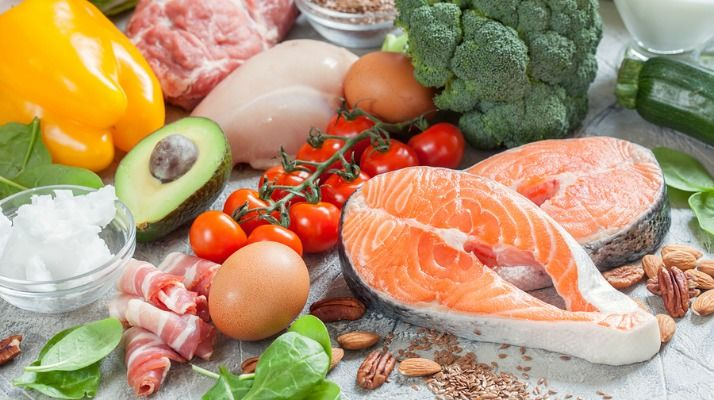
Your diet plan for weight loss should include natural foods such as vegetables, fruits, eggs, chicken, fish, oats, and brown rice. These foods are rich in nutrients and help keep you full for longer.
Step 3: Control Portion Sizes
Even healthy food can cause weight gain if eaten in large amounts. A good diet plan for weight loss always includes portion control. Use smaller plates and avoid overeating.
Step 4: Stay Hydrated
Water plays a key role in fat burning. Drink at least 8 to 10 glasses of water daily. Sometimes thirst is mistaken for hunger, so hydration helps control unnecessary eating.
Step 5: Avoid Processed Food
Fast food, sugary drinks, and packaged snacks slow down your progress. A successful diet plan for weight loss limits these foods as much as possible.
Step 6: Eat Protein in Every Meal

Protein helps in muscle building and reduces hunger. Include eggs, lentils, yogurt, and lean meat in your diet plan for weight loss.
Benefits of Diet Plan for Weight Loss
- Helps in reducing body fat naturally
- Improves digestion and metabolism
- Increases energy levels throughout the day
- Reduces risk of chronic diseases
- Improves mental clarity and focus
- Enhances self-confidence and body image
- Supports long-term healthy lifestyle habits
Disadvantages / Risks
- Extreme dieting can lead to nutrient deficiency
- Poorly planned diet may cause fatigue
- Quick-fix diets can slow metabolism
- Over-restriction may lead to binge eating
- Lack of variety can make the diet boring
Common Mistakes to Avoid
One of the biggest mistakes in a diet plan for weight loss is skipping meals. Many people think skipping meals helps reduce weight faster, but it actually slows down metabolism and increases hunger later.
Another mistake is relying only on crash diets. These diets may show quick results but are not sustainable. People also often ignore protein intake, which leads to muscle loss instead of fat loss.
Overeating healthy foods is another common issue. Even healthy food must be eaten in moderation. Lastly, many people do not track their progress, which makes it difficult to stay consistent with their diet plan for weight loss.
FAQs
1. What is the best diet plan for weight loss?
The best diet plan for weight loss is a balanced diet that includes whole foods, lean protein, fruits, vegetables, and proper hydration while maintaining calorie control.
2. How fast can I lose weight with a diet plan for weight loss?
Healthy weight loss is usually 0.5 to 1 kg per week depending on your body type, activity level, and consistency with the diet plan for weight loss.
3. Can I eat rice in a diet plan for weight loss?
Yes, you can eat rice in moderation. Brown rice is a better option because it contains more fiber and keeps you full longer.
4. Do I need exercise with a diet plan for weight loss?
Exercise is highly recommended. A combination of diet plan for weight loss and physical activity gives better and faster results.
5. Is skipping meals good for weight loss?
No, skipping meals is not recommended. It slows metabolism and can lead to overeating later, which affects your diet plan for weight loss.
6. Can I follow a diet plan for weight loss without a gym?
Yes, you can lose weight without going to the gym by following a proper diet plan for weight loss and doing simple home exercises like walking or yoga.
Expert Tips & Bonus Points
Experts suggest that consistency is the key to success in any diet plan for weight loss. You should avoid extreme restrictions and focus on gradual changes. Eating slowly also helps your brain recognize fullness, preventing overeating.
Another important tip is meal planning. When you plan your meals in advance, you are less likely to choose unhealthy options. Also, try to sleep at least 7 to 8 hours daily because poor sleep can affect your weight loss progress.
Adding fiber-rich foods like oats, fruits, and vegetables improves digestion and keeps hunger under control. A smart diet plan for weight loss always focuses on balance, not perfection.
Conclusion
A diet plan for weight loss is not just a temporary solution but a long-term lifestyle change. It helps you improve your health, boost energy, and build confidence in a natural way. Instead of following extreme diets, focusing on balance and consistency brings better results.
When you follow a proper diet plan for weight loss, your body gradually adjusts to healthier habits. You start making better food choices, controlling portions, and understanding your nutritional needs. This leads to sustainable weight loss without harming your body.
Remember, patience is important. Results may take time, but they are long-lasting when you stay consistent. A well-designed diet plan for weight loss combined with hydration, sleep, and light physical activity can completely transform your lifestyle. The goal is not just to lose weight but to feel healthier, stronger, and more confident every day.
