

Introduction
A high protein diet is one of the most popular eating plans for people who want to improve their health, lose weight, or build muscle. In simple words, a high protein diet means eating more foods rich in protein such as eggs, chicken, fish, beans, dairy products, and nuts. Protein is an essential nutrient that helps your body grow, repair tissues, and stay strong. A high protein diet is not just for bodybuilders or athletes; it is useful for anyone who wants better energy, improved metabolism, and a healthier lifestyle. Many beginners start a high protein diet to reduce fat and maintain lean muscle without complicated rules
When you follow a high protein diet, your body feels full for a longer time, which reduces unnecessary snacking and helps control weight. It also supports muscle recovery after exercise, making it ideal for active individuals. Another benefit of a high protein diet is that it helps stabilize blood sugar levels, which can improve overall energy throughout the day. However, like any eating plan, balance is important. Eating too much protein without proper nutrients from other food groups can cause issues.
In this article, you will learn everything about a high protein diet, including its benefits, risks, meal planning, and expert tips. This guide is designed for beginners and intermediate readers who want simple, practical information without confusion.
What is High Protein Diet?
A high protein diet is a way of eating where protein makes up a large part of your daily calories. Normally, a balanced diet includes carbohydrates, fats, and protein in equal proportions. However, in a high protein diet, protein intake is increased while carbs and fats are controlled.
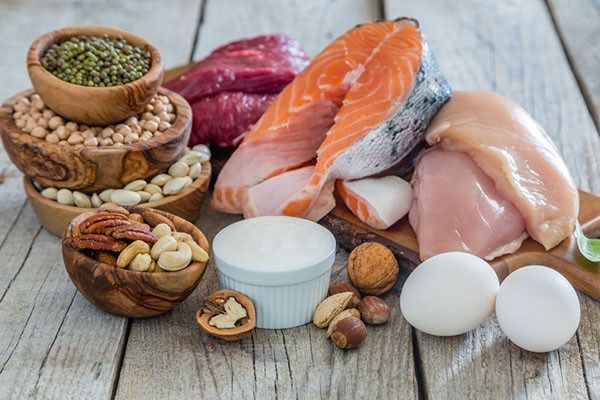
Protein is made of amino acids, which are the building blocks of the body. These amino acids help repair muscles, support skin health, improve immunity, and produce enzymes and hormones. A high protein diet usually includes foods like eggs, chicken breast, turkey, fish, lentils, chickpeas, tofu, Greek yogurt, and protein shakes.
Many people choose a high protein diet for weight loss because protein increases satiety, meaning you feel full faster and stay full longer. Others follow it for muscle gain, especially when combined with strength training. A high protein diet is flexible and can be adjusted based on your lifestyle, fitness goals, and body needs.
Why is High Protein Diet Important?
A high protein diet plays an important role in maintaining overall health and fitness. Protein is not stored in the body like fats or carbohydrates, so you need a regular intake from food.
One major reason a high protein diet is important is muscle maintenance. As we age, muscle mass naturally decreases, and eating enough protein helps prevent muscle loss. It is also essential for people who exercise regularly because it supports faster recovery and muscle growth.
Another reason is weight management. A high protein diet helps control appetite, which reduces calorie intake naturally. It also boosts metabolism slightly, helping your body burn more calories even at rest.
Additionally, protein supports healthy skin, hair, and nails. It also plays a role in enzyme and hormone production, which keeps your body functioning properly. Without enough protein, you may feel weak, tired, and less focused. That is why including a high protein diet in your daily routine can improve both physical and mental performance.
Detailed Step-by-Step Guide to Follow a High Protein Diet
Step 1: Calculate Your Protein Needs
The first step in a high protein diet is understanding how much protein your body needs. On average, a healthy adult needs 0.8 grams of protein per kilogram of body weight. For a high protein diet, this amount can increase to 1.2–2.0 grams depending on activity level.
For example, if you weigh 70 kg, your protein intake may range from 84 to 140 grams daily in a high protein diet plan.
Step 2: Choose Protein-Rich Foods
Next, include a variety of protein sources in your meals. A good high protein diet includes both animal and plant-based foods.
Examples include:
- Eggs and egg whites
- Chicken breast and turkey
- Fish like salmon and tuna
- Greek yogurt and cottage cheese
- Lentils, beans, and chickpeas
- Tofu and soy products
- Nuts and seeds
Step 3: Plan Balanced Meals
A high protein diet should not remove other nutrients. Combine protein with healthy carbs and fats. For example, you can pair grilled chicken with brown rice and vegetables or eggs with whole grain toast.
Step 4: Spread Protein Throughout the Day
Instead of eating all protein in one meal, spread it across breakfast, lunch, and dinner. This improves digestion and muscle absorption in a high protein diet.
Step 5: Stay Hydrated
A high protein diet requires more water because protein metabolism produces waste that needs to be flushed out. Drinking enough water supports kidney health and digestion.
Step 6: Track Your Progress
Monitor your energy, weight, and fitness improvements. Adjust your high protein diet if needed based on your goals.
Benefits of High Protein Diet
A high protein diet offers many advantages for health and fitness.
- Helps in weight loss by reducing hunger and cravings
- Supports muscle growth and repair after workouts
- Improves metabolism and calorie burning
- Enhances strength and physical performance
- Keeps you full for longer periods
- Helps maintain lean body mass during fat loss
- Supports healthy skin, hair, and nails
- Stabilizes blood sugar levels
- Improves recovery after injury or exercise
- Boosts overall energy and focus
Disadvantages / Risks of High Protein Diet
Although a high protein diet is beneficial, it may have some risks if not followed properly.
- May strain kidneys if protein intake is extremely high
- Can cause digestive issues like constipation if fiber is low
- May lead to nutrient imbalance if other food groups are ignored
- Excess animal protein can increase cholesterol in some cases
- Can be expensive depending on food choices
- May cause dehydration if water intake is not sufficient
- Long-term extreme high protein diet may affect bone health
Common Mistakes to Avoid
Many beginners make mistakes when starting a high protein diet. Avoid these for better results:
- Eating only protein and ignoring vegetables and carbs
- Not drinking enough water daily
- Relying too much on processed protein supplements
- Overeating calories thinking protein is always healthy
- Skipping meals and not spreading protein intake
- Ignoring fiber, which is important for digestion
- Choosing unhealthy protein sources like fried meats
FAQs About High Protein Diet
1. What is a high protein diet?
A high protein diet is a nutrition plan where you consume more protein-rich foods to support muscle growth, weight loss, and overall health.
2. Is a high protein diet good for weight loss?
Yes, a high protein diet is effective for weight loss because it reduces hunger and helps control calorie intake naturally.
3. Can I follow a high protein diet every day?
Yes, you can follow a high protein diet daily as long as it is balanced with carbohydrates, fats, and fiber.
4. What foods are best for a high protein diet?
Eggs, chicken, fish, beans, lentils, dairy products, tofu, and nuts are excellent choices for a high protein diet.
5. Is a high protein diet safe for kidneys?
For healthy individuals, a high protein diet is generally safe. However, people with kidney disease should consult a doctor first.
6. Can vegetarians follow a high protein diet?
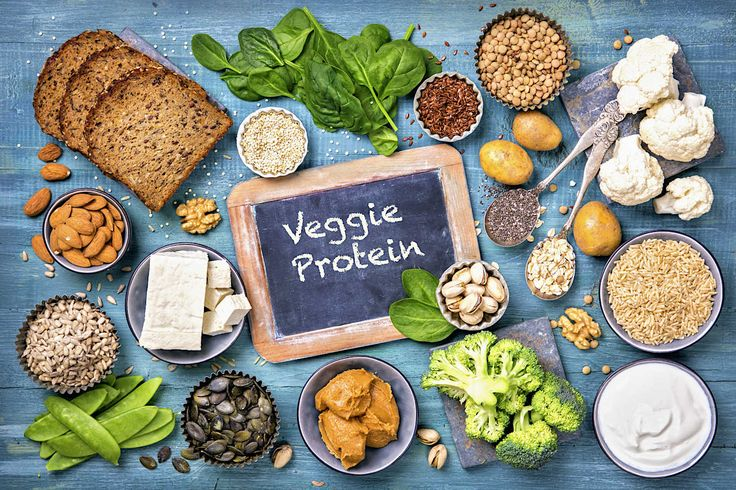
Yes, vegetarians can follow a high protein diet using plant-based foods like lentils, beans, tofu, quinoa, and dairy products.
Expert Tips & Bonus Points
Experts suggest starting a high protein diet gradually instead of making sudden changes. This helps your body adjust better. Combine your high protein diet with regular exercise for faster results. Strength training enhances muscle growth, while cardio helps with fat loss.
Another tip is to choose natural protein sources over processed ones. Whole foods provide better nutrients and long-term health benefits. Also, do not forget to include fiber-rich foods like vegetables and fruits to support digestion.
Finally, consistency is the key. A high protein diet works best when followed regularly with a balanced lifestyle, proper sleep, and hydration.
Conclusion
A high protein diet is a powerful and effective way to improve health, support weight loss, and build lean muscle. It is suitable for beginners and intermediate individuals who want simple and practical dietary changes without complicated rules. By including protein-rich foods in your daily meals, you can experience better energy, improved focus, and stronger physical performance.
However, balance is very important in a high protein diet. It should not replace all other nutrients but rather complement a well-rounded eating plan. Combining protein with carbohydrates, healthy fats, and fiber ensures long-term health benefits.
Whether your goal is weight loss, muscle building, or general fitness, a high protein diet can help you achieve results when followed correctly. Start slowly, choose healthy food sources, and maintain consistency. Over time, you will notice positive changes in your body and lifestyle, making a high protein diet a valuable part of your everyday routine.
