

Introduction
Mental health has become one of the most important aspects of overall well-being in today’s fast-paced world. With increasing stress, digital overload, and daily pressures, people often ignore their emotional and psychological needs. This is where self care tips for mental health play a crucial role in helping individuals maintain balance and stability in their lives.
Self-care is not just about relaxation or taking breaks. It is a conscious practice of taking care of your mind, emotions, and overall mental state. Whether you are a student, a working professional, or managing a household, prioritizing your mental health can significantly improve your quality of life.
In this guide, you will explore practical self care tips for mental health that are easy to implement, even for beginners. At the same time, intermediate readers will find deeper insights to refine their routines. The goal is simple: to help you build habits that support long-term mental wellness without overwhelming your daily schedule.
Let’s dive into understanding what self-care truly means and why it matters more than ever.
What is Self Care Tips for Mental Health?
Self care tips for mental health refer to intentional actions and habits that help maintain and improve your emotional, psychological, and social well-being. These practices are designed to reduce stress, increase self-awareness, and build resilience against daily challenges.
Self-care is often misunderstood as luxury or indulgence. In reality, it includes simple activities like getting enough sleep, setting boundaries, and taking time to reflect. It focuses on nurturing your mind just as much as your body.
There are different types of self-care:
- Emotional self-care: Managing feelings and expressing emotions
- Physical self-care: Maintaining health through exercise and sleep
- Social self-care: Building meaningful relationships
- Mental self-care: Engaging in activities that stimulate and relax the mind
By consistently applying self care tips for mental health, individuals can create a stronger foundation for handling life’s ups and downs.
Why is Self Care Tips for Mental Health Important?
Ignoring mental health can lead to burnout, anxiety, and even physical health problems. That’s why practicing self care tips for mental health is essential for a balanced life.
Here are some key reasons why it matters:
First, it reduces stress levels. Daily life can become overwhelming, but regular self-care helps calm the mind and improve focus.
Second, it improves emotional stability. When you take care of your mental health, you respond to situations more thoughtfully rather than reacting impulsively.
Third, it enhances productivity. A healthy mind works more efficiently, helping you perform better in personal and professional tasks.
Lastly, it strengthens relationships. When you feel mentally stable, you communicate better and build healthier connections with others.
In short, self-care is not optional. It is a necessity for long-term well-being.
Detailed Step-by-Step Guide
Step 1: Build a Daily Routine
Start by creating a simple daily schedule that includes time for work, rest, and personal activities. Consistency helps reduce mental clutter and creates a sense of control.
For example, wake up at the same time every day, plan your tasks, and include breaks in between.
Step 2: Practice Mindfulness
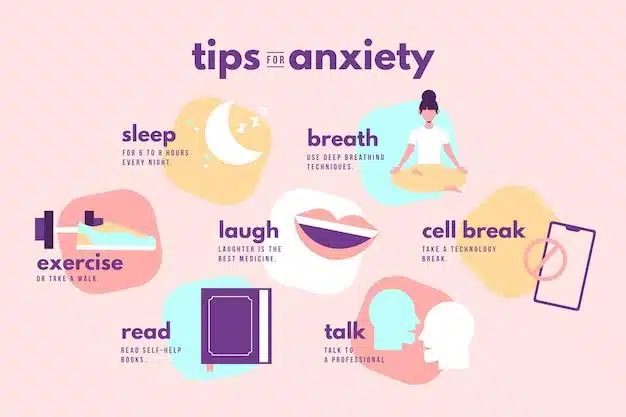
Mindfulness means being present in the moment without judgment. You can practice it through meditation, deep breathing, or simply focusing on your surroundings.
Even 10 minutes of mindfulness daily can significantly improve your mental clarity.
Step 3: Stay Physically Active
Physical activity directly impacts mental health. Exercise releases endorphins, which are natural mood boosters.
You don’t need intense workouts. Simple activities like walking, stretching, or yoga can be enough.
Step 4: Maintain Healthy Sleep Habits

Sleep plays a major role in mental well-being. Lack of sleep can increase stress and reduce focus.
Aim for 7–8 hours of quality sleep. Avoid screens before bedtime and create a relaxing night routine.
Step 5: Set Boundaries
One of the most effective self care tips for mental health is learning to say no. Overcommitting leads to stress and burnout.
Set clear limits in work, relationships, and social obligations.
Step 6: Connect with Others
Human connection is essential for mental health. Talk to friends, family, or supportive individuals.
Even a short conversation can lift your mood and provide emotional support.
Step 7: Limit Digital Consumption
Excessive use of social media and digital devices can increase anxiety and comparison.
Take regular breaks from screens and focus on real-life activities.
Step 8: Engage in Hobbies
Doing something you enjoy helps relax your mind and boost creativity.
It could be reading, painting, gardening, or any activity that brings you peace.
Benefits of Self Care Tips for Mental Health
- Reduces stress and anxiety levels
- Improves emotional resilience
- Enhances focus and productivity
- Promotes better sleep quality
- Strengthens relationships
- Boosts self-confidence
- Encourages a positive mindset
- Supports long-term mental stability
Disadvantages / Risks
- Can be neglected due to busy schedules
- May feel difficult to maintain consistency
- Some people misunderstand it as selfish behavior
- Results are not always immediate
- Overdoing certain practices may lead to avoidance of responsibilities
Common Mistakes to Avoid
Many people try to follow self care tips for mental health but make common mistakes that reduce effectiveness.
One major mistake is inconsistency. Practicing self-care once in a while is not enough. It needs to be part of your routine.
Another mistake is comparing your self-care journey with others. What works for someone else may not work for you.
Ignoring basic needs like sleep and nutrition is also a problem. These are the foundation of mental health.
Lastly, expecting instant results can lead to frustration. Self-care is a long-term process.
FAQs
1. How often should I practice self care tips for mental health?
You should practice self-care daily, even if it’s for a few minutes. Consistency matters more than duration.
2. Can self-care replace professional help?
No, self-care supports mental health but does not replace professional treatment when needed.
3. What is the easiest self-care activity to start with?
Simple activities like deep breathing, short walks, or journaling are great starting points.
4. Is self-care expensive?
Not at all. Most self care tips for mental health are free and require only time and effort.
5. How long does it take to see results?
Results vary, but small improvements can be noticed within a few days to weeks.
6. Can self-care improve productivity?
Yes, a healthy mind improves focus, decision-making, and overall performance.
Expert Tips & Bonus Points
Start small and build gradually. Trying too many things at once can become overwhelming.
Track your progress. Keeping a journal helps you understand what works best for you.
Be flexible. Your needs may change over time, so adjust your routine accordingly.
Focus on quality over quantity. A few meaningful habits are better than many inconsistent ones.
Practice gratitude. Writing down things you are thankful for can shift your mindset positively.
Take breaks without guilt. Rest is part of productivity, not the opposite.
Conclusion
Self care tips for mental health are not just a trend; they are a necessary part of living a balanced and fulfilling life. In a world filled with constant pressure and distractions, taking time to care for your mental well-being can make a significant difference.
By understanding what self-care truly means and applying simple, practical steps, you can create a routine that supports your emotional and psychological health. From building daily habits to setting boundaries and staying connected with others, every small action contributes to a healthier mindset.
It is important to remember that self-care is a personal journey. There is no one-size-fits-all approach. What matters is finding what works best for you and staying consistent with it.
Over time, these practices will not only reduce stress but also improve your overall quality of life. You will feel more in control, more focused, and more capable of handling challenges.
Start today with small changes, and gradually build a lifestyle that prioritizes your mental health. The effort you invest in yourself will always be worth it.
