

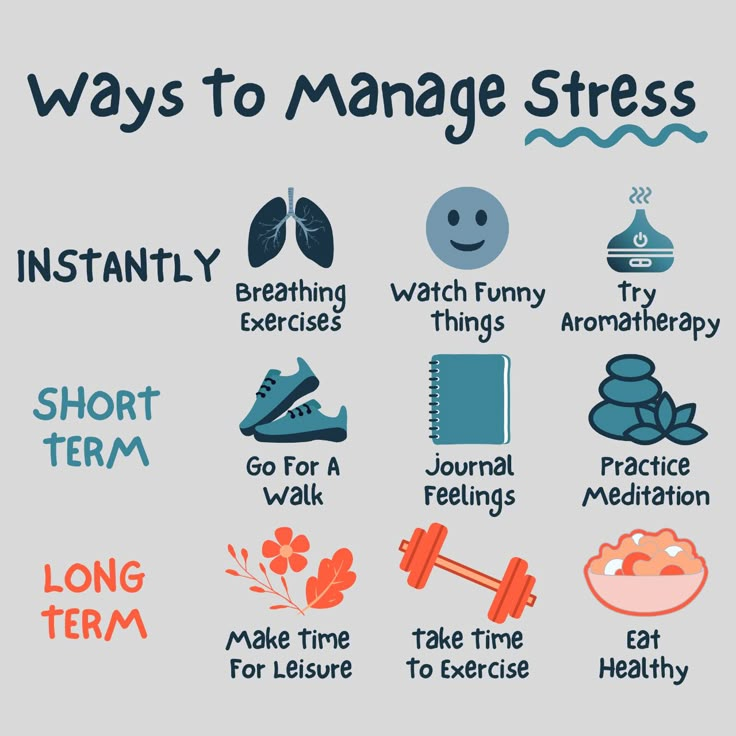
Introduction
Stress is something everyone experiences in daily life, whether it comes from work pressure, studies, family responsibilities, or financial challenges. In today’s fast and busy world, learning stress management tips has become more important than ever. When stress is not controlled, it can affect both mental and physical health, making life feel overwhelming and tiring. That is why understanding practical stress management tips can help you stay calm, focused, and productive.
Many people think stress is only emotional, but it also affects sleep, digestion, energy levels, and even decision-making. The good news is that stress can be managed with simple lifestyle changes and healthy habits. You do not need expensive tools or complicated techniques. Small daily actions can bring a big difference in how you feel.
In this article, you will learn simple and effective stress management tips that are easy to follow. These methods are suitable for beginners and anyone who wants to improve their mental well-being. By the end, you will understand how to handle stress in a healthier way and create a more peaceful life using practical stress management tips.
What is Stress Management Tips?
Stress management tips refer to practical techniques and habits that help a person control and reduce stress in daily life. These tips are designed to improve emotional balance, mental clarity, and overall well-being. Stress itself is a natural reaction of the body to challenges or pressure, but managing it properly is what keeps life stable.
Stress management tips include activities like deep breathing, exercise, proper sleep, time management, and positive thinking. They help the mind relax and allow the body to recover from tension. When used regularly, these tips improve your ability to handle difficult situations without feeling overwhelmed.
In simple words, stress management tips are small actions that help you stay calm even when life gets busy or difficult. They do not remove stress completely but make it easier to control and reduce its impact on your health and happiness.
Why is Stress Management Tips Important?
Stress management tips are important because they protect both your mental and physical health. When stress builds up over time, it can lead to serious problems like anxiety, headaches, fatigue, and poor concentration. By following effective stress management tips, you can reduce these risks and improve your quality of life.
Another reason stress management is important is productivity. A stressed mind cannot focus properly, which affects work performance and decision-making. Simple stress management tips help clear your thoughts and improve focus.
Additionally, stress affects relationships. People who are stressed often become irritated or emotionally distant. Using stress management tips helps you stay calm and communicate better with others.
Most importantly, stress management supports long-term happiness. When you know how to handle pressure, you feel more confident and in control of your life. This makes everyday challenges easier to handle and improves overall well-being.
Detailed Step-by-Step Guide
1. Practice Deep Breathing
One of the most effective stress management tips is deep breathing. It helps slow down your heart rate and relax your mind. When you feel stressed, take slow, deep breaths in through your nose and out through your mouth. Repeat this for a few minutes until you feel calm.
2. Maintain a Healthy Routine
A structured routine is a powerful stress management tip. Wake up and sleep at the same time every day. Eat balanced meals and avoid skipping meals. A stable routine gives your mind a sense of control and reduces confusion.
3. Stay Physically Active

Exercise is one of the most natural stress management tips. Walking, jogging, yoga, or even light stretching can improve your mood. Physical activity releases endorphins, which are natural chemicals that reduce stress and increase happiness.
4. Manage Your Time Wisely
Poor time management often increases stress. Create a daily plan and prioritize important tasks. Break large tasks into smaller steps. This simple stress management tip helps reduce pressure and improves productivity.
5. Get Enough Sleep
Sleep is essential for stress control. Lack of sleep makes the mind tired and more sensitive to stress. Aim for 7 to 8 hours of quality sleep every night. A well-rested mind handles challenges more effectively.
6. Avoid Negative Thinking
Negative thoughts increase stress levels quickly. Try to replace negative thinking with positive and realistic thoughts. This stress management tip helps you stay mentally strong and emotionally balanced.
7. Take Short Breaks
Working without breaks increases mental pressure. Take short breaks during work or study time. Walk around, stretch, or listen to music. These small breaks refresh your mind and reduce stress.
Benefits of Stress Management Tips
- Improves mental clarity and focus
- Reduces anxiety and emotional pressure
- Enhances physical health and energy levels
- Improves sleep quality
- Increases productivity at work or study
- Strengthens relationships with others
- Builds emotional stability and confidence
- Helps in better decision-making
- Reduces risk of stress-related illnesses
- Promotes a positive and peaceful lifestyle
Disadvantages / Risks
- Requires consistency and discipline
- Results may take time to appear
- Some methods may not work equally for everyone
- Lifestyle changes can feel difficult at first
- Overthinking about stress management can also create pressure
- Without proper guidance, some techniques may be misunderstood
Common Mistakes to Avoid
Many people try stress management tips but make simple mistakes that reduce their effectiveness. One common mistake is ignoring stress and hoping it will disappear on its own. Stress usually increases if not managed properly.
Another mistake is using unhealthy coping methods like overeating, smoking, or avoiding responsibilities. These habits may give temporary relief but increase stress in the long run.
People also often expect instant results. Stress management takes time and consistency. Skipping healthy habits like exercise or sleep is another major mistake.
Lastly, trying too many techniques at once can be overwhelming. It is better to choose a few stress management tips and follow them regularly.
FAQs
1. What are the best stress management tips for beginners?
The best stress management tips for beginners include deep breathing, regular exercise, proper sleep, and time management. Start with small habits and build consistency over time.
2. How quickly do stress management tips work?
Some stress management tips like deep breathing work instantly, while others like lifestyle changes take a few weeks to show full results. Consistency is important for long-term benefits.
3. Can stress management tips completely remove stress?
No, stress management tips do not remove stress completely. Instead, they help you control stress and reduce its negative impact on your health and daily life.
4. Is exercise important for stress management?
Yes, exercise is one of the most effective stress management tips. It releases natural chemicals in the brain that improve mood and reduce stress levels.
5. Can diet affect stress levels?
Yes, a healthy diet plays a big role in stress control. Balanced meals support brain function and energy levels, making stress easier to manage.
6. What is the simplest stress management tip?
The simplest stress management tip is deep breathing. It can be done anywhere and helps calm the mind within minutes.
Expert Tips & Bonus Points
Experts recommend combining multiple stress management tips for better results. For example, pairing exercise with good sleep and proper time management creates a strong foundation for stress control.
Another important tip is to stay socially connected. Talking to friends or family can reduce emotional pressure. Writing down thoughts in a journal is also a helpful stress management tip for organizing emotions.
Limiting screen time, especially on social media, can also reduce stress. Many people feel pressure from constant online information, so taking digital breaks is useful.
Finally, practicing gratitude daily can improve mental health. Focusing on positive aspects of life helps reduce stress naturally and builds emotional strength.
Conclusion
Stress is a natural part of life, but it should not control your happiness or health. By using simple and effective stress management tips, you can take control of your emotions and create a more balanced lifestyle. These tips are not complicated, but they require consistency and patience.
From deep breathing to proper sleep, every small action plays an important role in reducing stress. When practiced regularly, stress management tips improve mental clarity, physical health, and emotional stability. They also help you stay more productive and confident in daily life.
It is important to remember that stress cannot be avoided completely, but it can be managed effectively. The goal is not to eliminate stress but to handle it in a healthy way. By applying the right stress management tips, you can build a calm mind, improve your relationships, and enjoy a better quality of life.
Start small, stay consistent, and slowly build these habits into your routine. Over time, you will notice a positive change in how you think, feel, and respond to challenge
